Acupuncture & Chinese herbal medicine · Bellingham since 2000
Stop suffering and start living again.
For pain, stress and sleep problems that haven't gone away. Scott Paglia and Ryan Barber combine acupuncture with custom Chinese herbal medicine, a whole-body approach refined over 26 years in Bellingham.
Licensed acupuncturists Scott Paglia & Ryan Barber. We'll call you back to pick a time.
The heated tables are wonderful, especially on a cool day. Scott and Marie are easy to talk to and never make me feel embarrassed.
SueBellingham, WA
Licensed since 2000Board-certified acupuncturist
Custom herbal medicineFormulas matched to you
Insurance checked for youPremera, Regence, LifeWise & more
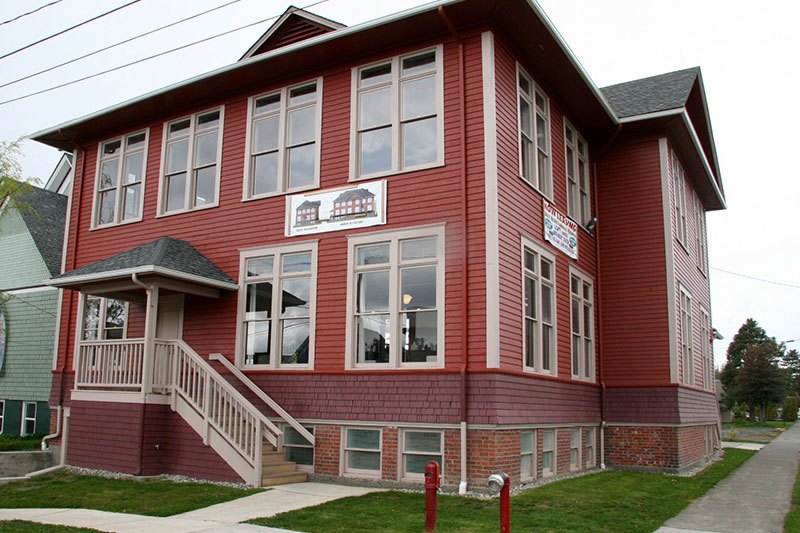
1303 Astor StClose to downtown Bellingham
Sound familiar?
You've tried the usual answers. You're still hurting.
Maybe it's pills that dull the problem but never solve it. Maybe it's specialists who say "it's just stress" or "learn to live with it." You're not imagining it, and you're not alone. Most of the people who walk through our door have already tried everything else.
Pain that keeps coming back
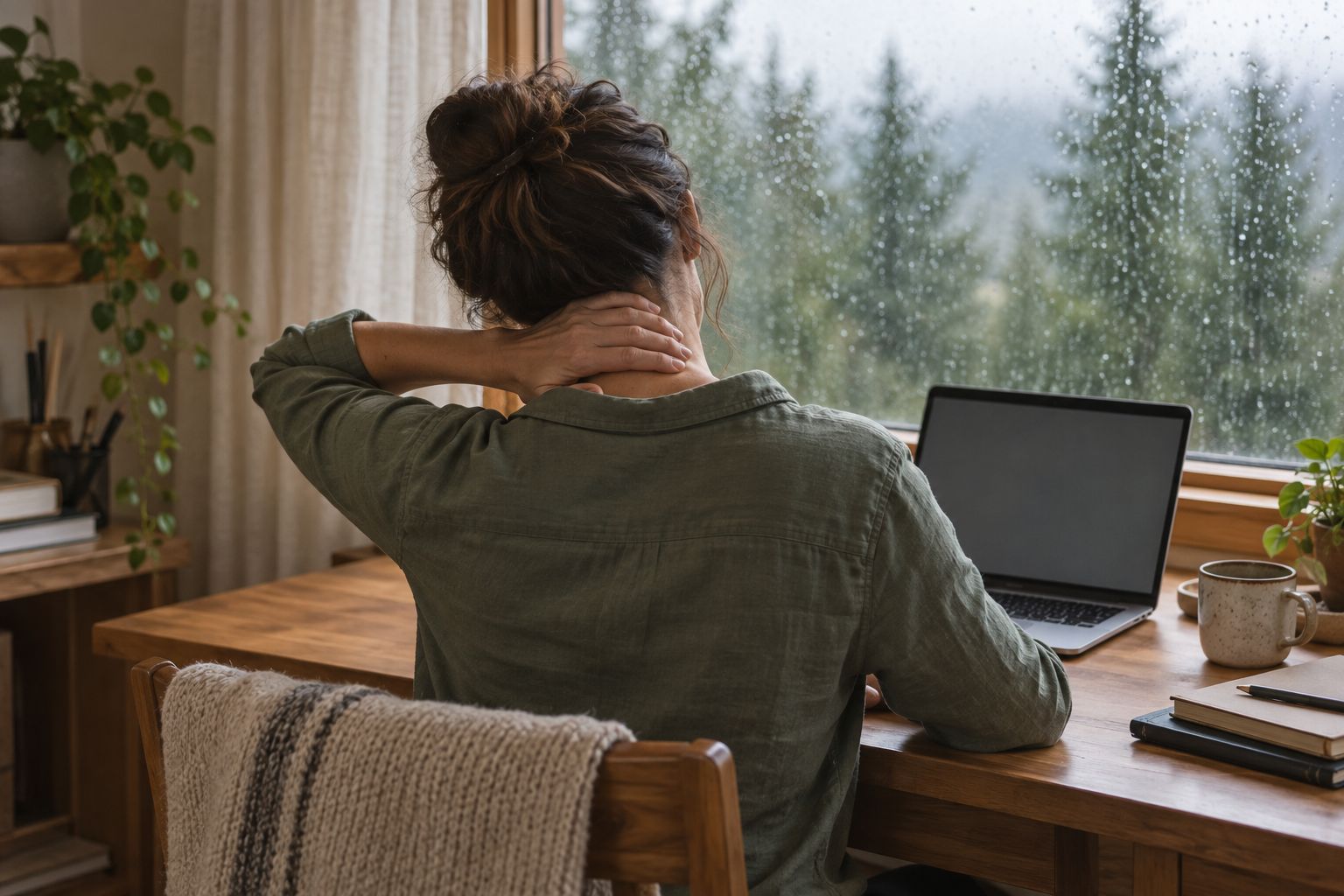
Your back, neck, joints or head. You've stretched, rested, medicated, and it still returns.
A nervous system stuck on alarm
Stress, anxiety and tension that follow you to work, to dinner and to bed.
Nights that don't restore you
Lying awake or waking at 3am, then running on caffeine and willpower.
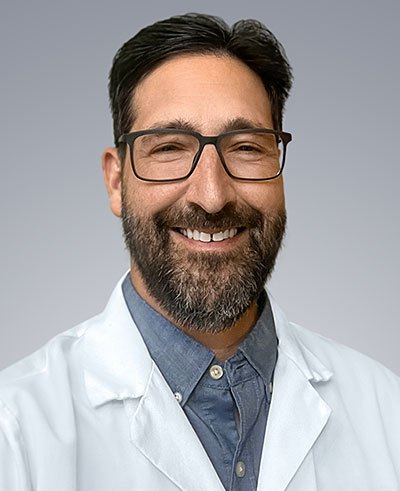
Scott Paglia, L.Ac. · Clinic director
Who we are
Meet the acupuncturist who takes the hard cases.
When Scott Paglia opened his practice in 2000, he didn't see simple cases. He saw people who had been to every other clinic in the state and were running out of hope. He learned his craft on those cases, and it's still what he loves most: "The more complex the case, the more interested I become."
Twenty-six years later, Scott blends acupuncture with a deep practice in Chinese herbal medicine. He runs a dedicated herbal clinic and teaches other acupuncturists how to use herbs in their own practices.
Licensed in Washington since 2000
Graduate, Oregon College of Oriental Medicine
Trained with Dr. Tan, Dr. Jimmy Chang & Bob Doane
Teaches Chinese herbal medicine to other practitioners
“When the nervous system quits sounding the alarm, people shine.”Scott Paglia
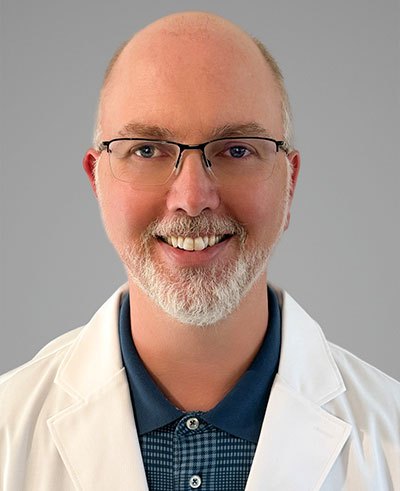
Ryan Barber, L.Ac. trained at the Oregon College of Oriental Medicine and was Scott's patient before becoming his colleague. Meet the team →
In their words
When other care ran out of answers
Acupuncture gave me back my life! It not only treated the pain I was having, it improved all aspects of my health, body and mind. Acupuncture has put me on the path to total health!…
LorraineEverson, WA
Scott and “magical” Marie have introduced me to a whole new world of health and wellness. It is wonderful to be free of pain and to have renewed energy!
SharonBellingham, WA
For five years, two lung doctors said my problem breathing wasn’t fixable. Then Scott helped my phrenic nerve to move my right diaphragm to fill my lung again. He also took away the pain in my arthritic finger and has treated my 80 year old aches and pains. I have recommended several friends and family to Scott and Marie.
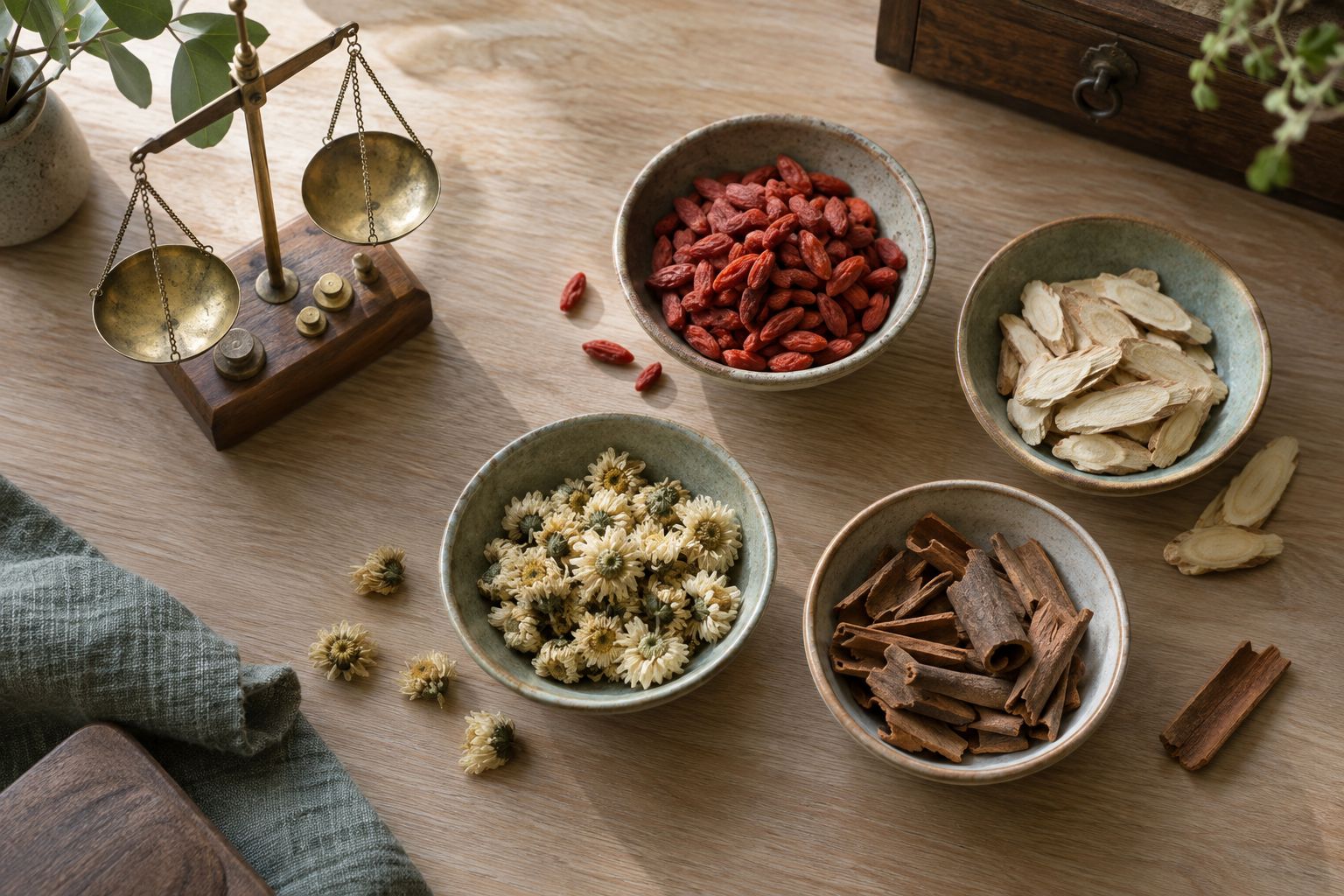
Herbal medicine was the main form of medicine on the planet until the last century, and it's a cornerstone of Scott's practice. Rather than one herb for one symptom, a Chinese formula combines ingredients that balance each other. Each formula is matched to your personal Chinese medical pattern and diagnosis.
Custom multi-ingredient formulas: pills, powders, teas, tinctures and topicals
Made in FDA-registered U.S. facilities, or lab-tested in the U.S. for heavy metals, microbes and pesticides
Organic whenever possible, with no common allergens or endangered species
A cost-effective option, and a gentle one for people who'd rather avoid needles
Most of our patients were nervous before their first visit too. Here are the four questions we hear most.
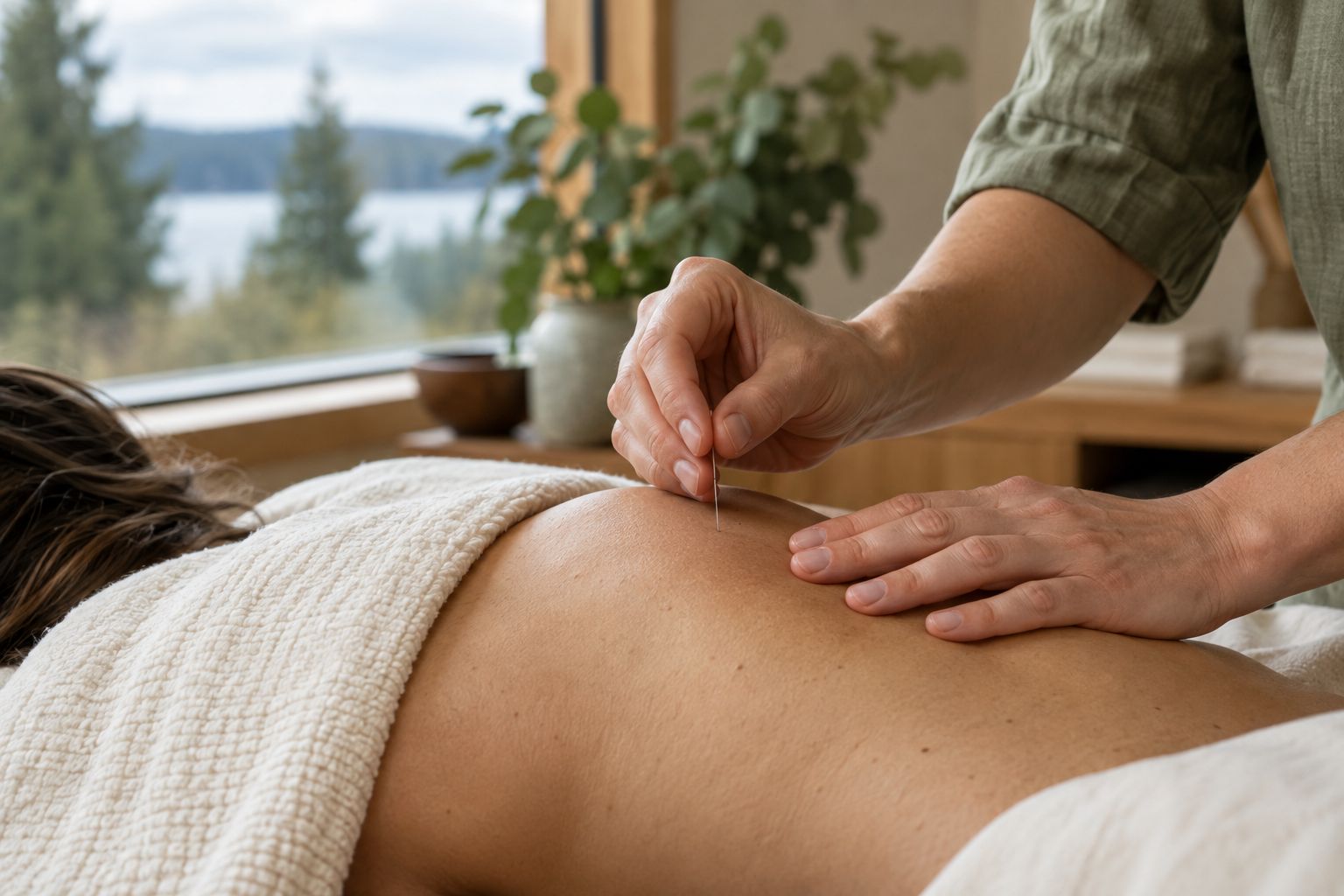
Hair-thin, sterile and single-use.
Does acupuncture hurt?
Acupuncture needles are about the thickness of a whisker, nothing like the needle used for a shot. Once a needle is in place you may feel tingling, heaviness, warmth or nothing at all; everyone is different. If anything feels uncomfortable, tell us and we'll adjust right away.
Are the needles clean?
Yes. Needles are individually wrapped and sterilized by the manufacturer, opened only when they're ready to be used, and disposed of in a medical waste container afterwards. They are never reused.
What happens at my first appointment?
We take a complete health history and ask about many parts of your life, not just the main complaint. Then we check your pulse and look at your tongue, the traditional Chinese medicine exam. We explain what we find, answer every question and recommend a treatment plan.
How long are visits?
The initial exam and consultation takes about 45 minutes. The first treatment visit is about 1½ hours, and later visits usually last about an hour.
Acupuncture needles are about the thickness of a whisker, nothing like the needle used for a shot. Once a needle is in place you may feel tingling, heaviness, warmth or nothing at all; everyone is different. If anything feels uncomfortable, tell us and we'll adjust right away.
Are the needles clean?
Yes. Needles are individually wrapped and sterilized by the manufacturer, opened only when they're ready to be used, and disposed of in a medical waste container afterwards. They are never reused.
What happens at my first appointment?
We take a complete health history and ask about many parts of your life, not just the main complaint. Then we check your pulse and look at your tongue, the traditional Chinese medicine exam. We explain what we find, answer every question and recommend a treatment plan.
How long are visits?
The initial exam and consultation takes about 45 minutes. The first treatment visit is about 1½ hours, and later visits usually last about an hour.
How often will I need to come?
It depends on how long you've had the problem and how severe it is. Treatments usually range from one to four times a week, then space out as you feel better. We set your course after the first visit and reassess it every session.
Does insurance cover acupuncture?
Many plans do, including auto-injury claims. We work with plans such as Premera, Regence, LifeWise, Uniform Medical Plan, First Choice Health and HMA. Send us your details and we'll check your benefits before you come in.
Where do the needles go?
It depends on what we're treating. Most often we use points from the elbows down to the hands and from the knees down to the feet. The abdomen, back and ears are also common.
How should I prepare?
Eat a light meal beforehand so you don't feel lightheaded, and wear shorts or loose clothing so your arms, legs and abdomen are easy to reach. Skip strenuous exercise, alcohol and heavy meals right before and after your treatment.
Can I have acupuncture while pregnant?
Yes. Some points are avoided during pregnancy, so please tell us if you are pregnant or trying to become pregnant.
Is Chinese herbal medicine safe?
We prescribe formulas matched to you and choose our sources carefully. Our formulas are made in FDA-registered facilities or lab-tested in the U.S. for heavy metals, microbes and pesticides. Always tell us about medications and supplements you take, so we can check for interactions.
Do I have to have needles?
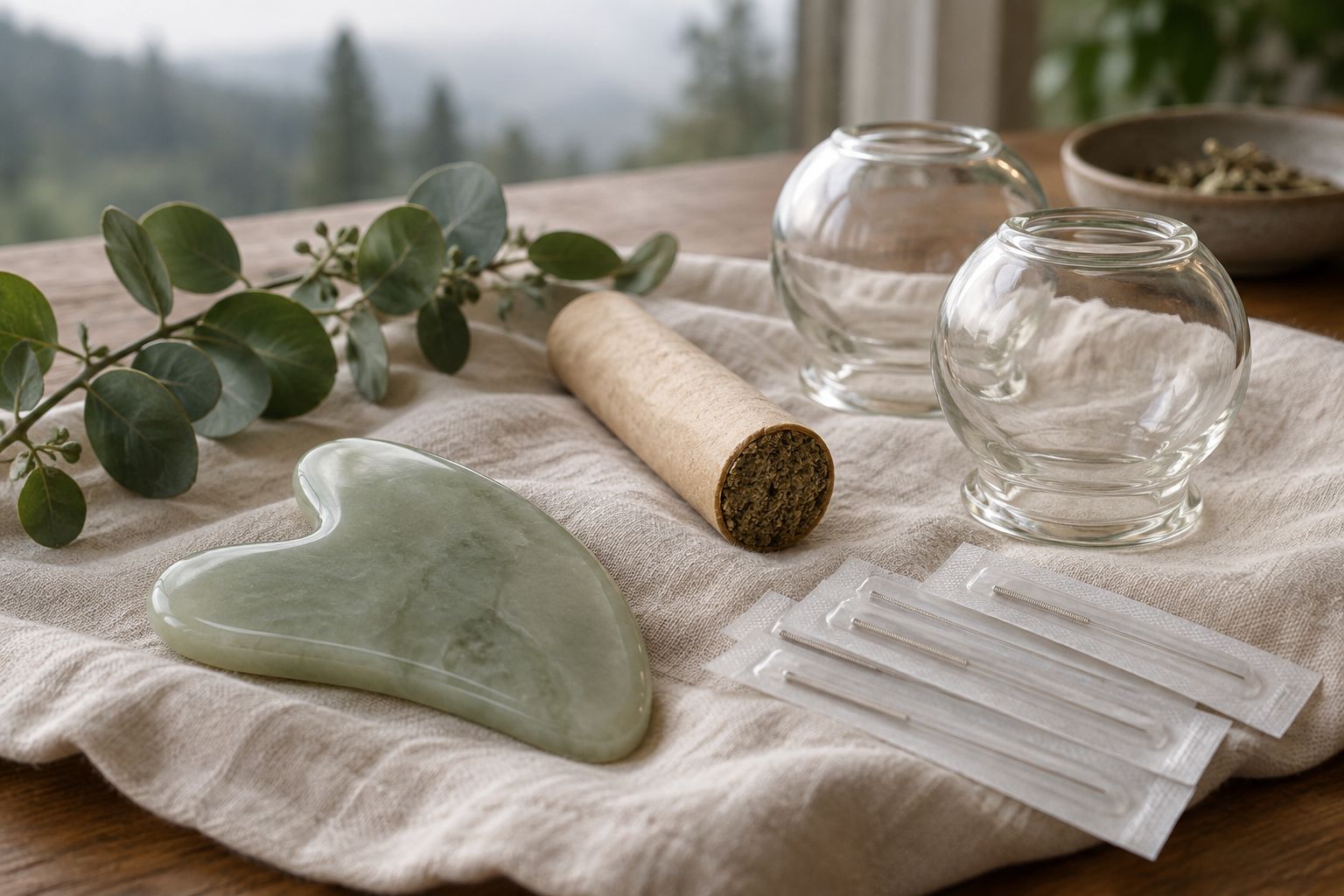
No. If you'd rather avoid needles, we can use herbal medicine, acupressure, cupping, gua sha, moxibustion, ear seeds and nutrition advice instead.
How do I choose the right acupuncturist?
Look for someone trained at an accredited school and licensed in your state. Ask whether they'll talk with you before booking about rates, insurance and cancellation policy. Also ask whether they have more than one treatment room, which makes it easier to get in when you need to.
What should I bring?
Your completed intake forms if you can (they save time), a list of medications and supplements, and your insurance card.
Book your first appointment
Ready to feel like yourself again?
Tell us a little about what's going on. Our front desk will call you back to find a time that works and answer any questions about cost and insurance.
A thorough consultation and health history
A traditional Chinese medicine exam: pulse, tongue and more
Your findings explained, with a treatment plan built for you
Acupuncture, herbal medicine or both, whatever fits you best
You'll see Scott Paglia or Ryan Barber, licensed acupuncturists.
Prefer to talk to a person?
Call (360) 715-1824
Mon–Wed 9–5 · Thu 9–3 · 1303 Astor St, Bellingham
“The office ladies are helpful and attentive. I especially enjoy the atmosphere of relaxed good humor that usually pervades the space.”
Depression can look like a low mood that barely changes from day to day. Or it can be the feeling that nothing is fun anymore. You may sleep too little or too much, eat more or less than usual, and have trouble concentrating or making decisions. Feelings of guilt or worthlessness can linger without a clear reason.
Many people come to us wanting extra support: something that helps them feel more relaxed, more balanced and better able to handle what life brings.
How Chinese medicine sees it
Chinese medicine sees depression as a sign that the body is not in balance. Life events such as losing someone you love can keep the body in a constant state of stress, and when that stress isn't eased, low mood can take hold.
Acupuncture won't take away the causes of depression. It aims to help your body return to balance so you can meet life's situations more steadily. Many people notice they feel calmer during a treatment, though it isn't an instant fix.
How we treat it
Gentle, calming acupuncture in a quiet, comfortable room.
Custom herbal formulas prescribed by Scott Paglia, L.Ac., only after reviewing any medications you take.
Ear seeds and acupressure points for support between visits.
Nutrition, sleep and lifestyle suggestions that support steadier energy.
What to expect
A relaxed consultation and a full health history. We'll ask about your mood, sleep, appetite and energy, and what has been happening in your life, and about your sleep, digestion, energy and stress too.
A traditional Chinese medicine exam, including your pulse and your tongue.
A clear explanation of what we found and how Chinese medicine understands it.
A treatment plan made for you, with time for all your questions.
We'll recommend a plan after your first appointment, and adjust it as we see how you respond.
Acupuncture is meant to be used alongside your medical care, so keep working with your doctor or counselor and don't change any medication without them. If you are thinking about harming yourself, call or text 988 or go to the nearest emergency room.
Common questions
Can I have acupuncture while taking an antidepressant?
Yes. Acupuncture can be used alongside your medication and counseling. Please don't stop or change any prescription without your doctor.
Will I feel different right away?
Some people feel calmer during a treatment. Depression usually needs steady support over time, and we'll review your progress at each visit.
Support for the hard, hopeful work of trying to conceive
Trying to get pregnant can take over your life. There are cycles to track, appointments, waiting, and hope and disappointment month after month. The stress alone can feel like one more thing working against you.
Many women come to us for fertility support. Some are trying naturally, and some are working with a fertility clinic or going through IVF. They want to care for their whole body and feel calmer through the process.
How Chinese medicine sees it
Chinese medicine has addressed fertility for thousands of years, recorded in its classical texts. It looks at your whole health, including your cycle, digestion, sleep, energy and stress, rather than one number on a lab report.
Acupuncture aims to support healthy circulation to the reproductive organs and to calm an overactive stress response. It can be used on its own or alongside assisted reproduction such as IVF.
How we treat it
Acupuncture timed around your cycle, or around your IVF schedule if you're working with a clinic.
Custom herbal formulas prescribed by Scott Paglia, L.Ac., only after reviewing any fertility medications you take.
Preconception diet and nutrition advice based on Chinese food therapy.
Calming treatments and practical stress support for the waiting weeks.
What to expect
A relaxed consultation and a full health history. We'll ask about your cycle, your fertility history and any treatment you're having, and about your sleep, digestion, energy and stress too.
A traditional Chinese medicine exam, including your pulse and your tongue.
A clear explanation of what we found and how Chinese medicine understands it.
A treatment plan made for you, with time for all your questions.
We'll recommend a plan after your first appointment, and adjust it as we see how you respond.
Fertility acupuncture is meant to work alongside your medical care, so please keep your OB-GYN or fertility clinic informed about what you're doing with us.
Common questions
Can I have acupuncture during IVF?
Yes. Many people use acupuncture alongside assisted reproduction. Tell us your clinic's schedule and we'll plan treatments around it.
Is acupuncture safe if I become pregnant?
Yes, with care. Some points are avoided in pregnancy, so always let us know if you are pregnant or might be.
Your first step is a conversation.
Book your first appointment and we'll listen to the whole story, then build a plan around you.
When you're exhausted, but your mind won't quit at night
You've had a long day and you're finally ready for bed. You close your eyes and your mind takes off, bouncing from thought to thought. Or you fall asleep easily, only to wake a few hours later and lie there until morning.
Poor sleep affects everything: your mood, your patience and your energy. Many people come to us after trying the usual advice and still waking tired and irritable.
How Chinese medicine sees it
Insomnia has many possible causes, including stress, diet, pain, illness, caffeine, medications and sleep habits. Chinese medicine looks for the personality, or pattern, behind your sleeplessness. Trouble falling asleep, waking at night and waking too early can each point to something different.
Treatment is aimed at that underlying cause. If pain wakes you, we work on the pain. If your mind can't switch off, we focus on calming stress and anxiety.
How we treat it
Acupuncture chosen for your sleep pattern and what's driving it.
Custom herbal formulas prescribed by Scott Paglia, L.Ac.
Dietary therapy, including a look at caffeine and evening habits.
Practical advice for coping with stress and winding down.
Ear seeds to press at home in the evening.
What to expect
A relaxed consultation and a full health history. We'll ask about how you fall asleep, when you wake, and what's on your mind at night, and about your sleep, digestion, energy and stress too.
A traditional Chinese medicine exam, including your pulse and your tongue.
A clear explanation of what we found and how Chinese medicine understands it.
A treatment plan made for you, with time for all your questions.
Sleep care usually takes several sessions, especially if stress or pain also need attention. We'll recommend a plan after your first appointment.
Things you can try at home
Keep your bedroom cool and dark.
Put screens away for a while before bed.
Watch how much caffeine you have, and how late in the day.
If you take a sleep medication or have a sleep condition, keep working with your physician and don't change medication without them.
Common questions
Does it matter whether I can't fall asleep or can't stay asleep?
Yes. They often point to different patterns in Chinese medicine, so we ask about both and treat accordingly.
Can acupuncture help if pain is what keeps me awake?
Pain is one of the most common reasons people sleep poorly. Easing the pain is often part of helping you sleep.
Your first step is a conversation.
Book your first appointment and we'll listen to the whole story, then build a plan around you.
Chronic pain wears on more than your body. Maybe it's a pinched nerve, an old shoulder injury, arthritis or a back that never quite settles. Over time you stop doing the things you enjoy, because the pain is just too much to deal with.
Many people come to us after pain relievers, rest and stretching have only helped so far. You may simply want another option, or something to use alongside the care you already have.
How Chinese medicine sees it
Chinese medicine sees pain as a sign that the body's energy, or qi, and circulation are not flowing smoothly. Where that flow gets stuck, you feel it as aching, stiffness or sharp pain.
Acupuncture works by stimulating the nervous system and helping the body regain its balance. Rather than treating one sore spot in isolation, we look at the whole person, because pain in one place often has roots somewhere else.
How we treat it
Acupuncture with thin, sterile, single-use needles at points chosen for your pain pattern.
Custom herbal formulas, prescribed by Scott Paglia, L.Ac., an experienced Chinese herbalist, when they fit your pattern.
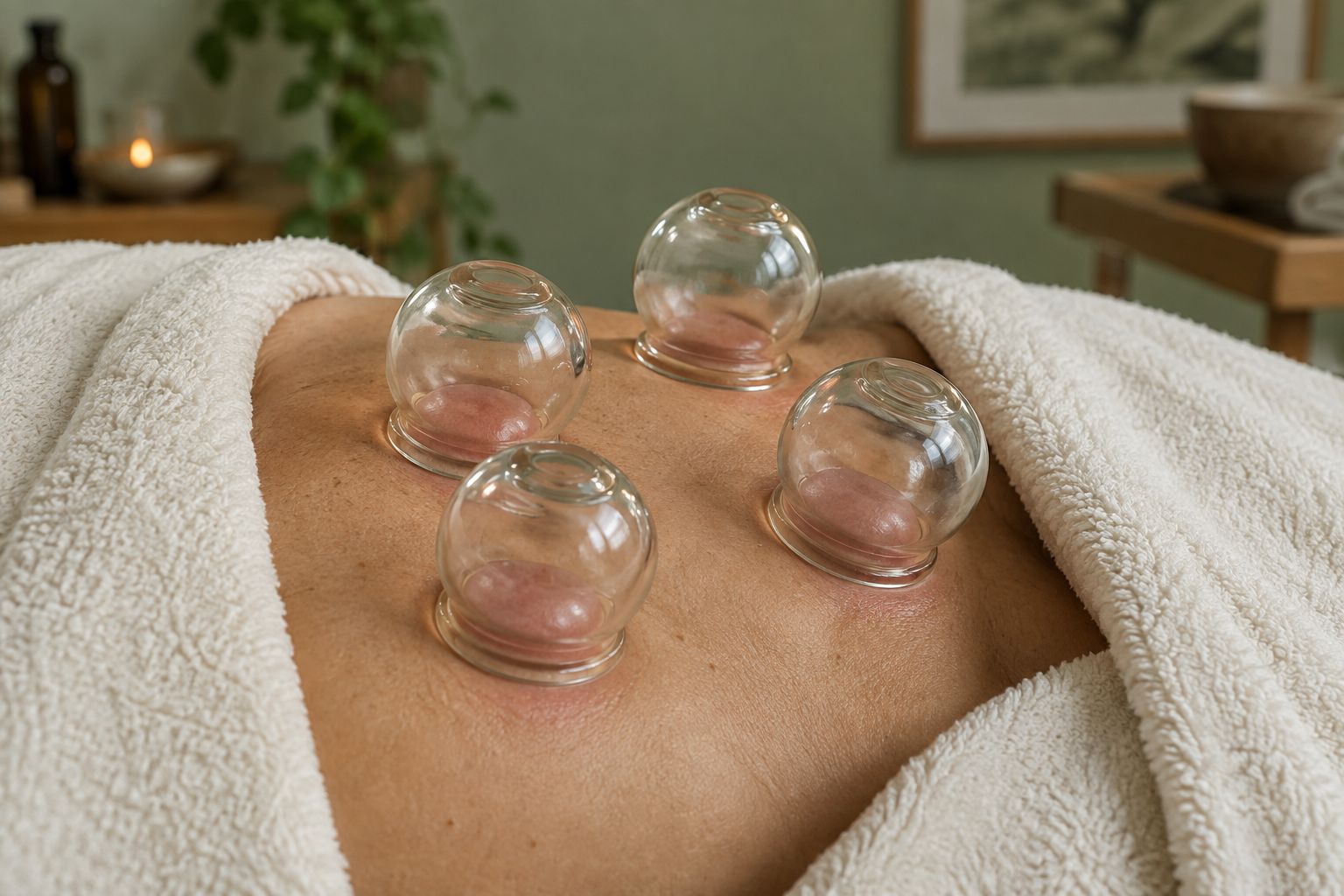
Heat, electroacupuncture or cupping where they suit the area and the type of pain.
Gua sha, a gentle press-stroke technique Ryan Barber, L.Ac., uses for tight, restricted muscles.
Simple stretching, core strengthening and lifestyle suggestions to support the work between visits.
What to expect
A relaxed consultation and a full health history. We'll ask about where it hurts, when it started and what makes it better or worse, and about your sleep, digestion, energy and stress too.
A traditional Chinese medicine exam, including your pulse and your tongue.
A clear explanation of what we found and how Chinese medicine understands it.
A treatment plan made for you, with time for all your questions.
We'll recommend a plan after your first appointment, and adjust it as we see how you respond.
Acupuncture fits well alongside physical therapy and the care of your physician, so please keep them in the loop.
Common questions
Can acupuncture help if I'm waiting for surgery?
Many people use acupuncture to help keep pain more manageable while they wait for a procedure such as a shoulder repair. We'll work around your surgeon's plan.
Will the needles hurt?
Acupuncture needles are about as thin as a whisker. Most people feel very little, often a mild tingling, heaviness or warmth. Tell us if anything feels uncomfortable and we'll adjust.
What kinds of pain do you see?
Many people come to us for back and neck pain, sciatica, shoulder, knee and joint pain, arthritis and nerve pain.
Most of us don't think about our immune system until we get sick. Then it's one cold after another all winter, and each one seems to linger. Getting older and other health problems can make it harder to bounce back.
Many people come to us to support their overall resilience, especially before and during cold and flu season.
How Chinese medicine sees it
Chinese medicine has a long history of caring for people through colds, fevers and seasonal illness. It pays attention to the body's defenses and to the reserves of energy that keep them strong.
Rather than focusing on one germ, we look at what may be wearing your defenses down: poor sleep, stress, digestion or low energy. Regular acupuncture aims to support your body's own immune response and calm inflammation, while herbs and diet help build your reserves.
How we treat it
Regular acupuncture to support your overall health and resilience.
Electroacupuncture where it suits your plan.
Custom herbal formulas prescribed by Scott Paglia, L.Ac., for your constitution and the season.
Seasonal diet advice based on Chinese nutrition.
Acupressure techniques, including ones parents can learn for children during cold and flu season.
What to expect
A relaxed consultation and a full health history. We'll ask about how often you get sick, how long it lasts, and your sleep, stress and energy, and about your sleep, digestion, energy and stress too.
A traditional Chinese medicine exam, including your pulse and your tongue.
A clear explanation of what we found and how Chinese medicine understands it.
A treatment plan made for you, with time for all your questions.
We'll recommend a plan after your first appointment, and adjust it as we see how you respond.
Immune support at our clinic is meant to work alongside your medical care, including vaccines and your doctor's advice; see your physician for any fever, infection or illness.
Common questions
Should I come in when I'm sick?
Please call us first if you have a fever or a contagious illness. For anything serious, see your doctor. Most people come for immune support when they're well.
Can children have this kind of care?
Acupressure is gentle and non-invasive, which suits children well, and we can teach parents simple techniques to use at home.
We accept many insurance plans that cover acupuncture and complementary medicine, including auto insurance. Fill in the form and we'll verify your benefits and call you back.
A little stress keeps life interesting. But when it never lets up, whether it's an ailing family member, a difficult co-worker or money worries, your body stays stuck in fight-or-flight. Your heart races, your muscles tighten and your mind won't settle.
Over time that can show up as digestive trouble, poor sleep, headaches, back pain, irritability and fatigue. You may catch every cold going around. Many people come to us simply because they want to feel like themselves again.
How Chinese medicine sees it
Chinese medicine describes qi, the body's energy, moving through pathways called meridians. Ongoing stress disrupts that flow and slowly drains your energy, which is why it can touch so many parts of your health at once.
Acupuncture aims to calm the fight-or-flight response and encourage the brain's own feel-good, calming chemistry. You don't have to believe in qi to feel the deep relaxation many people notice on the table.
How we treat it
Calming acupuncture in a quiet, comfortable room, often with soothing music.
Ear points, or ear seeds you can press at home between visits.
Custom herbal formulas prescribed by Scott Paglia, L.Ac., for your stress pattern.
Cupping and bodywork for tension held in the neck, shoulders and back.
Dietary therapy and practical lifestyle changes.
What to expect
A relaxed consultation and a full health history. We'll ask about what's weighing on you and how stress shows up in your body, and about your sleep, digestion, energy and stress too.
A traditional Chinese medicine exam, including your pulse and your tongue.
A clear explanation of what we found and how Chinese medicine understands it.
A treatment plan made for you, with time for all your questions.
We'll recommend a plan after your first appointment, and adjust it as we see how you respond.
If stress is affecting your health, keep your physician or counselor involved; acupuncture works well alongside their care.
Common questions
What does a treatment feel like?
Most people are surprised at how relaxing it is. You rest quietly on a heated table in a comfortable room while the needles do their work. Many people drift off.
Is this just for big stress, or everyday stress too?
Both. Many people come to us for the everyday build-up of work, family and life, not only for a crisis.
If the first crocus of spring makes you reach for the tissues
For many people in Bellingham, spring means a runny nose, congestion, an itchy nose and watery eyes. The season everyone else looks forward to can leave you foggy and worn out.
Many people come to us hoping to feel more comfortable through allergy season. Some also want to rely a little less on the pharmacy aisle, working that out with their doctor.
How Chinese medicine sees it
Chinese medicine sees allergy symptoms as a sign that the body's defenses and energy channels are out of balance. The goal is to open those channels so your body's own defenses can respond more calmly.
Acupuncture aims to ease nasal congestion, watery eyes, an itchy nose and irritated nasal passages. We also look at the bigger picture, including digestion, sleep and energy, because they affect how your body copes each season.
How we treat it
Acupuncture at points for the nose, sinuses and eyes, and for your overall constitution.
Custom herbal formulas prescribed by Scott Paglia, L.Ac., for your pattern.
Acupressure points you can use at home when symptoms flare.
Cupping across the upper back, where it suits your pattern.
Dietary advice to support you through the season.
What to expect
A relaxed consultation and a full health history. We'll ask about when your allergies flare, what triggers them and what you've tried, and about your sleep, digestion, energy and stress too.
A traditional Chinese medicine exam, including your pulse and your tongue.
A clear explanation of what we found and how Chinese medicine understands it.
A treatment plan made for you, with time for all your questions.
Many people try a few sessions to see how they feel. We'll recommend a plan after your first appointment.
Keep working with your physician, and don't change allergy or asthma medication without talking to them first.
Common questions
When should I start treatment for spring allergies?
Many people like to start before the season or early in it, rather than waiting until they feel miserable. Call us when you're ready and we'll plan around your usual flare-ups.
Can I keep taking my allergy medication?
Yes. Acupuncture can be used alongside it. Any changes to your medication should be made with your doctor.
For the joints that ache on waking and stiffen when the weather turns
Most of us notice some stiffness as we get older, especially first thing in the morning. With arthritis, that pain becomes more constant and harder to shake. Knees, hands, hips, shoulders or your low back can all be involved, often more than one at a time.
Arthritis is something to be managed over time. Many people come to us looking for another way to keep their joints comfortable, or for help staying active while they wait for a joint replacement.
How Chinese medicine sees it
In Chinese medicine, arthritis is seen as a blockage of circulation in and around the joint. The diagnosis doesn't stop there, though. We want to understand the personality of your arthritis.
Is it worse in hot weather, or when it's cold and damp? Does the pain come and go, or is it always there? Is it worse when you're tired? Those answers point to the underlying pattern and how best to treat it. Acupuncture can't repair structural damage in a joint, but it aims to ease pain, calm inflammation and improve circulation.
How we treat it
Acupuncture at points around the painful joints and elsewhere on the body.
Heat therapy and moxibustion, especially for arthritis that is worse in cold, damp weather.
Custom herbal formulas prescribed by Scott Paglia, L.Ac., matched to your pattern.
Diet changes and lifestyle advice based on Chinese nutrition.
Gentle acupressure, which can suit older patients working on mobility.
What to expect
A relaxed consultation and a full health history. We'll ask about which joints hurt and how weather, activity and tiredness affect them, and about your sleep, digestion, energy and stress too.
A traditional Chinese medicine exam, including your pulse and your tongue.
A clear explanation of what we found and how Chinese medicine understands it.
A treatment plan made for you, with time for all your questions.
Arthritis care is usually a series of treatments rather than a single visit. We'll recommend a plan after your first appointment.
Keep working with your physician or rheumatologist; acupuncture can be part of your plan alongside their care.
Common questions
Does it matter what type of arthritis I have?
It helps us to know. Osteoarthritis, rheumatoid and psoriatic arthritis behave differently, and we'll ask about any diagnosis you have. We also read your own pattern of symptoms.
Can acupuncture help while I wait for a joint replacement?
Many people use acupuncture to help manage pain and stay active until they're ready for surgery.
Maybe you've tried the shakes, the meal-replacement bars and the grapefruit. Maybe you've done fasts that left you hungry and weak, or cleanses where the only thing you lost was money. Some days it feels like taking sand off the beach with a teaspoon.
Weight is more complicated than eating less and moving more. Many people come to us for support with cravings, stress and digestion alongside a sensible plan.
How Chinese medicine sees it
Chinese medicine places a lot of weight on digestion. When your digestive system is strong and in balance, your body is better able to process food and use its nutrients, and cravings tend to settle.
Eating is also emotional. Acupuncture aims to lower stress and lift your mood, and it has long been used to help with cravings of many kinds. It isn't a silver bullet. It's meant to support a healthy eating and activity plan.
How we treat it
Acupuncture focused on digestion, appetite, stress and mood.
Ear seeds you can press between visits when cravings hit.
Chinese food therapy: choosing foods that suit your body, the season and your goals.
Custom herbal formulas prescribed by Scott Paglia, L.Ac., where your pattern calls for them.
What to expect
A relaxed consultation and a full health history. We'll ask about your eating patterns, cravings, digestion, stress and what you've tried before, and about your sleep, digestion, energy and stress too.
A traditional Chinese medicine exam, including your pulse and your tongue.
A clear explanation of what we found and how Chinese medicine understands it.
A treatment plan made for you, with time for all your questions.
We'll recommend a plan after your first appointment, and adjust it as we see how you respond.
If you have a medical condition or take medication that affects your weight, keep your physician involved in your plan.
Common questions
Will acupuncture make me lose weight on its own?
No. It's meant to support a sensible eating and activity plan, mainly by helping with cravings, stress and digestion.
What are ear seeds?
Tiny seeds or pellets taped to points on the ear. They don't pierce the skin. You press them several times a day, and you can keep them on for up to a week.
The Acupuncture Health Center has been able to help me when traditional “Western” medicine has either given up or has suggested invasive procedures with a record of unreliable results. Perhaps equally important is that, if Scott and Marie cannot help a patient, they will be honest about it and suggest alternative treatment elsewhere. The staff is friendly. Scott and Marie are easy to talk to and never make me feel embarrassed. The office ladies are helpful and attentive. I especially enjoy the atmosphere of relaxed good humor that usually pervades the space. P.S. The heated tables are wonderful, especially on a cool day, and I am invited and encouraged to listen to my iPod.
SueBellingham, WA
Scott and “magical” Marie have introduced me to a whole new world of health and wellness. It is wonderful to be free of pain and to have renewed energy!
SharonBellingham, WA
Acupuncture gave me back my life! It not only treated the pain I was having, it improved all aspects of my health, body and mind. Acupuncture has put me on the path to total health!…
LorraineEverson, WA
Acupuncture Health Center has helped me get my health back. I was unable to move without pain and stiffness. I have improved at least 80%. I also stopped using tobacco with their help. I think the potential of their healing is far reaching.
RogerBow, WA
For five years, two lung doctors said my problem breathing wasn’t fixable. Then Scott helped my phrenic nerve to move my right diaphragm to fill my lung again. He also took away the pain in my arthritic finger and has treated my 80 year old aches and pains. I have recommended several friends and family to Scott and Marie.
RoniBellingham, WA
For the first time in my twenty years of asthma inhalers, I have been able to cut my medication in half as a result of acupuncture treatments and herbal formulas. I hope to eliminate inhalers completely, in time, by continuing my treatments at the Acupuncture Health Center.
DaleBellingham, WA
In accordance with FTC guidelines: these testimonials reflect the real-life experiences of people who have used our services. They are individual results, which vary from person to person and cannot be guaranteed. Never stop or change a prescribed medication without your doctor.
It’s an interesting question when you think about it. To blog or not to blog? In an age where everyone and their uncle is publishing online what could we possibly add to that mess?
Well for starters, we have some great stories and unbelievably effective treatments, thanks to my teachers. This blog is a dedication to the spirit of genius that fuels Chinese medicine as well as a tribute to our patients, without whom this would be utterly pointless.
In the coming weeks please check back with us as we will be regularly updating this site. I would like to make this blog relevant to patients and practitoners. I will be covering issues that we see in the clinic every day. Please feel free to comment and let us know what else you would like to hear about.
Before I sign off on today’s blog I would like to talk a little about our methods here. I am recognized as a senior student of Dr. Jimmy Chang, one of Taiwan’s most famous pulse and herb doctors. We use Dr. Tan’s Balance Method but taken it in a different direction. We follow Deke Kendall’s vascular distribution charts and have dropped the erroneous meridian system. Our clinical model is based on the work of my mentor, Bob Doane, L.Ac.
As an ice breaker for all of you out there, please check out a short article I wrote entitled Demystifying Chinese Medicine.
This article is for general education and isn't medical advice. Talk with your physician about your own health.
Today’s blog is for practitioner and patient alike. We are going to discuss the effects of a positive attitude on health and treatment outcomes.
For many of us going to get medical help is a chore. Something we do when all else has failed. We try to beat the game and the house always wins. We can make ourselves feel better and say historically we are a trauma based medical system and if it isn’t broke don’t fix it. Well is this working? If you believe in healthiest nations indicators it’s time to take another look at our system. We were ranked, last year, in the high 80’s far as the World Health Organization is concerned. We started out at 3. Now seriously, is what we are doing working? However, the model itself is not the topic of this blog, but rather those within the model. Us.
If you think the model can be improved upon, please keep reading. If not, I assume you are already surfing. So lets go. . .
The Women’s Health Initiative, with over 100,000 women in the study, shows clearly that optimists suffer a full 30 percent less heart disease and an incredible 14% decrease in deaths from any cause. Not bad huh. While its delightful to be the pessimist it may a self-fulfilling prophecy. The mayo clinic did a similar study. A full 30% difference in health outcomes between the two groups. The Gallup Agency has done countless studies as well. Employees who focus on strengths did far better than those trying to shore up weaknesses. Now look folks you can drag me to 500 meetings to learn how to by a sycophant and at the end of that tenure of shame I am still going to voice my opinion and fight for what I believe to be right and true. You can’t take the key elements out of a person. So save your money. Focus on your strength and take a look, to quote the Pogues, on the sunny side of the street.
Most positive/optimistic people I have come into contact have a couple of things in common. So if you are a patient or practitioner keep an eye out on this it will save you time. The first thing they believe in is themselves. They believe their body has the capacity to heal. The second thing they believe in is the modality of medicine we are practicing. They believe what we have to offer can make them a lot better. These are our patients. We love them because they are already on board. There is no begging to come back, haggling over progress, etc. Our patients are here and as long as we are improving their health they stay. All day I long I move from room to room and ask the same questions. How are you? Better. Good! It’s easy. So now, as a patient if you are dragging through the day and are not happy with your type of care, get some help you believe in. You don’t have to be a convert, just believe in the ability to change. If you are a practitioner slogging through the day at your clinic it’s probably because either you or your patients don’t believe in the quality of care being delivered. So get to it. Optimists out!
Acupuncture in Bellingham is the practice in traditional Chinese method of promoting the body’s natural healing process and encouraging the body to improve functioning. This technique is done by inserting needles and applying electrical or heat stimulation at specific acupuncture points.
How Acupuncture Works
According to classical Chinese explanation, there are channels of energy that run in regular patterns through the body and over its surface. These channels are known as meridians and they are like rivers flowing inside the body to nourish and cleanse tissues. Any obstruction in the movement of these energy pathways is like a dam that backs up in others.
By needling the acupuncture points, the meridians can be influenced since acupuncture basically unblocks the obstruction at the dams and restore the regular flow of the energy through the meridians. In other words, acupuncture can therefore help the body’s internal organs to fix the imbalances in absorption, digestion and energy production activities. Aside from that, it improves the circulation of the energy of the meridians.
Modern science explains that needling involved in acupuncture stimulates the nervous system to release the chemicals in the brain, muscles and spinal cord. These released chemicals will then either change the experience of pain or they can trigger the release of other chemicals and hormones that influence the internal regulating system of the body.
Stimulating the body’s natural healing abilities and promoting the emotional and physical well-being of an individual will result to an improved energy and biochemical balance produced by acupuncture.
The Difference of Medical Acupuncture
Acupuncture is considered to be a very old medical art and there are many approaches to practicing and learning it. The term used to describe acupuncture performed by a trained doctor or licensed in Western doctor who underwent acupuncture training as a specialty practice is called medical acupuncture. to treat an illness, such a doctor can use one or the other approach or a combination of both.
The Scope of Medical Acupuncture
Medical acupuncture is a medical system that influences three areas of health care specifically the promotion of well-being and health, prevention off illness and treatment of a variety of medical conditions. A lot may think that acupuncture is associated with pain management but in the hands of well-trained acupuncturists, it can give off much broader applications. As the only treatment, acupuncture can be effective and it can also be used as a support or in conjunction to other medical treatments even if it a medical or surgical disorder.
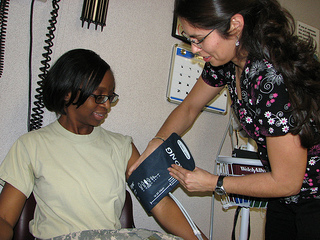
Several risk factors can result in high blood pressure. These factors are classified as uncontrollable or unmanageable risk factors and controllable or manageable risk factors.
Uncontrollable or Unmanageable Risk Factors
Age – When you age especially when you reach 50 years old and above, your arteries start to lose their flexibility narrowing the blood passageways making it more difficult for blood to pass through causing then the heart to pump harder. Men start to become hypertensive during early middle-age while older women begin to become hypertensive after menopause.
Race – In terms of race, African Americans are the highest risk group for high blood pressure in terms of ethnicity in the United States. They are also the most prone to develop high blood complications like heart attack or stroke.
Heredity – Heredity plays a very huge role in causing high blood pressure in individuals. If you have one or both parents, uncles, nieces or grandparents who have high blood pressure, you are at a high risk in acquiring it as well.
Manageable or Controllable Risk Factors
Kidney disease – The kidney is where glands that regulate blood pressure reside and so when you develop kidney problems these affects those glands making you end up with high blood pressure in the end.
Stress – Stress can be responsible for dozens of health conditions and high blood pressure is one of them. Finding ways to calm and relax yourself is important in living with a healthy heart.
Smoking – Smoking raises a person’s BP level and it can cause complications like atherosclerosis as well.
Low amounts of minerals and vitamins in the body – Having low contents of vitamin D, calcium and potassium will raise your blood pressure. Adequate amounts of vitamins and minerals while normalizing blood pressure also help lower bad cholesterol in the body.
Excess weight or obesity – To be classified as obese, you must have a body mass index (BMI) of over 30. When your BMI is over 30, your blood pressure is likely to be quite high. When you are heavy in weight, your body needs to have more nutrients and oxygen and this tends to put extra pressure on the arterial walls causing your BP to increase.
Sedentary lifestyle – When you live an inactive life, you tend to have excess weight or become obese and start to develop high BP.
Excessive intake of salt – Salt is likely to make your body retain fluids that can heighten your BP.
Lowering your intake of salt will lessen fluid retention in your body and lower your blood pressure in the process.
High cholesterol – Having high cholesterol can lead to arterial blockage or make the arteries less flexible and narrower. This is a condition that can lead to a potentially fatal heart attack.
Diabetes – When you develop diabetes, this condition is chronic and will never go away. It can be controlled though by eating the proper foods. Diabetes almost often leads to high blood pressure.
Alcohol drinking – Drinking at least one to two drinks will cause his blood pressure to temporarily increase. Regular consumption of alcohol even if taken moderately will lead to high blood pressure that will be long-term and will require treatment.
Exercise, the kryptonite of all couch potatoes, is a valued ally in the quest for health. Why? Because exercise increases the flow of blood through the body. If the circulation of blood is increased then the body has a more readily available supply of what it needs. Which means you will be able to do what you need to, when you need to do it.
The Cleveland Clinic has done a study on this very fact. Here’s what they found. Even relatively low levels of aerobic exercise can protect your immune system.
Yes, even in collective blog land I can her the sigh. So if you are sitting there thinking, I can’t do 1 hour a day. Get over it. Anyone can do this program. So lets get at it.
Just 20-30 minutes of brisk walking 5 days per week turns out to be the ideal training program for maintaining a healthy immune response.
So close down the home entertainment system, the internet and, yes, the cell phone and get out there. Now.
A study in the Archives of Internal Medicine, shows that poor sleep and the susceptibility to colds go hand in hand. Marvel concept, huh. The study followed 153 men and women for two weeks and kept track of both the duration and quality of sleep. They then exposed all of the participants to the rhinovirus, or the common cold. Who are these people? And they say there are a lack of good jobs. The results: Those who slept on average less than 7 hours a night were 3 times more likely to get sick compared to those who averaged at least 8 hours. The verdict? When you are tired, SLEEP.
A few years ago one of my teachers said. I had a humbling weekend. Why? I will tell you. I verified that my dog is smarter than I am. As I sat there feeling tired from a rough night I saw my dog curl up in the corner. He sleeps when he’s tired. I hope to learn to do the same someday. If you can’t sleep, come in here and lets see if we can help. Do we have a deal?
Well happy holidays to one and to all. This is our last installment of our top 5 ways to boost immunity. Coincidentally they have a lot in common this time of year: stress and spend time with loved ones.
Stress has many deleterious effects on the human body. A New England Journal of Medicine article studied the effects of stress on the immune system. People who were under greater stress were 3x more likely to develop a cold after direct exposure to the rhinovirus – and they say good jobs are hard to find! It makes sense when you think about it, most of us get sick after a stressful event. During the stress I think the adrenal system can shore up any weaknesses. As the stressor leaves, we are more susceptible to opportunistic infections.
Spend time with loved ones. I know it’s almost like a national anthem, oh I do poorly over the holidays or oh god we’re meeting as a family. Eeegads. Well get off of the misery train, you don’t have to ride it if you don’t want. Enjoy the people around you for what they are. If you have differences with them you can rest assure they have them with you. So relax. Be merry. And get over it. Happy holidays and see you all in 2010.
As cold and flu season heads our way it’s time to think about what type of protection do we need. For me, it’s going to start with food. Real food. Not food from boxes or cans or cryogenically sealed vacuum bags.
According to the NeiJing SuWen, one of the oldest medical books in world history, health care starts with food, first. Only after a disease progresses do we administer herbs and acupuncture – the original preventative medicine.
OK, so what to do now, you say? I looked up best immune boosting foods on the Internet and came up with Vitamin C, Vitamin D and a few others.
Since when have vitamins become food? Give me a break already.
Yep, I was at my favorite restaurant over the weekend and you wouldn’t believe the cut of Vit. D I had. Oh man it was braised, with chanterelle mushrooms and paired with liquid calcium and magnesium. Unbelievable!
While there are great profit margins in supplements I would rather look first to mother nature and the great foods she offers.
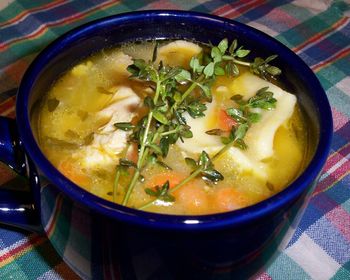
Let’s start with a take chicken soup. I’ve added minor changes to the old-time favorite, but not many. Also the ingredients are commonly found in your local store or co op.
Bon appetit and remember the infamous battle cry of Micael Pollan: Eat food. Not too much. Mostly plants.
Super Shitake Mushroom Soup
Serves 4
Ingredients
1 onion, chopped
1/2 lb. shitakes, sliced with stems removed
2 cloves garlic, minced
2-3 Tbl olive oil
6 chicken thighs, chopped & skinned
12 cups chicken stock
4oz. dried mushrooms
1 Tbl. fish sauce
2 Tbl. fresh oregano
Directions
Place sliced shitake caps in a stock pot. Cook for a few minutes, until the shitakes wilt.
Add olive oil, onion & garlic and saute until onions are translucent, usually about 10 minutes at medium heat, stirring often
Add chicken thighs and cook for 4-6 minutes
Add chicken stock, dried mushrooms and water and simmer for 15 minutes.
OK I can hear it already out there. Who makes chicken stock these days? If you don’t you should. I you won’t then take three boxes of organic stock and add to the recipe, for a total of 12 cups. Sorry Michael.
There are several ways to prevent stress. Some activities can entail passive and active methods that are for the soothing of the nerves. Some of the activities you can do for the prevention of stress include:
Listening To Music
Writing/painting/drawing
Dancing
Raising your pet
Gardening
Exercise
Exercise is highly recommended for stress and for the management of stress. It is one way of helping the body’s own “feel-good” chemicals help the person stay happy, light and relaxed. Exercise greatly increases self-confidence and can turn a bad mood into a good one. It also makes you sleep better and helps improve circulation.
Deep Breathing
Stress makes your heart beat faster and work harder than it should. To calm down your heart rate, you can do some deep breathing to lower your stress level and make you relax. Deep breathing also allows you to breathe in more oxygen in the bloodstream improving the function of your body systems. Breathe in slowly but deeply through your nose and after 10 seconds slowly breathe out using your mouth.
You can prevent stress using complementary and alternative medicine or CAM.
A number of holistic therapies can be utilized for your stress among which include Reiki therapy, Ayurveda, Acupuncture and Tai Chi.
Other Options for stress relaxation include massage therapy and biofeedback to mention just a couple.
While we scramble for cover under a constant barrage of viral and opportunistic infections it might be good to do a chapter review. What can we do to boost our immune system? Well here it goes, the top 5 things you can do at home:
Chinese herbal medicine is a cornerstone of Scott Paglia's practice. He has prescribed custom formulas for 26 years, runs a dedicated herbal clinic in Bellingham, and teaches other acupuncturists how to bring herbs into their practices.
Herbal medicine has been used by every culture, East and West, for thousands of years, and it was the dominant form of medicine until the last century. Many modern drugs isolate one active compound from a plant. That can work fast, but the concentration can also bring strong side effects.
Chinese herbs are usually prescribed in combination. The ingredients of a formula balance each other and work together, which is designed to make them both effective and gentle. The aim is to correct the imbalance underneath, not just quiet the symptom, and to support your body's own ability to heal.
Herbs can also be a cost-effective option, especially for people who want to reduce their reliance on medications. Always talk with your physician before changing any prescription.
How Scott prescribes
Matched to your pattern and your diagnosis
Your pattern
Scott primarily prescribes multi-ingredient patent formulas that correspond to both your personal Chinese medical pattern and your Chinese disease diagnosis.
Your form
Pills, powders, teas (decoctions), tinctures, and external compresses, liniments and plasters. Whatever fits your life.
Your progress
Formulas are reviewed as you improve and adjusted as your pattern changes, often alongside acupuncture.
Quality you can trust
Where our herbs come from
Most formulas are manufactured in the U.S. at FDA-registered facilities, using high-quality ingredients
Products are tested in independent labs for purity, safety and bioavailability
Formulas made in China are produced under strict quality controls, then tested in certified U.S. laboratories for heavy metals, microbial contamination and pesticides before they reach our office
Organic ingredients whenever possible
No herbs that contain common allergens or endangered species
Please tell us about every medication and supplement you take so we can check for interactions.
For the first time in my twenty years of asthma inhalers, I have been able to cut my medication in half as a result of acupuncture treatments and herbal formulas. I hope to eliminate inhalers completely, in time, by continuing my treatments at the Acupuncture Health Center.
DaleBellingham, WA
Individual experience. Results vary. Never change a prescribed medication without your doctor.
Book your first appointment
Find out if herbs are right for you.
Tell us a little about what's going on. Our front desk will call you back to find a time that works and answer any questions about cost and insurance.
A thorough consultation and health history
A traditional Chinese medicine exam: pulse, tongue and more
Your findings explained, with a treatment plan built for you
Acupuncture, herbal medicine or both, whatever fits you best
You'll see Scott Paglia or Ryan Barber, licensed acupuncturists.
Prefer to talk to a person?
Call (360) 715-1824
Mon–Wed 9–5 · Thu 9–3 · 1303 Astor St, Bellingham
“The office ladies are helpful and attentive. I especially enjoy the atmosphere of relaxed good humor that usually pervades the space.”
Whatever brought you here, start with a conversation.
Chinese medicine looks at the whole person, which is why one plan can address several concerns at once. Use the two-question guide, or browse by area below.
We also see: Acid reflux, IBS, Digestive complaints, Skin concerns.
The complete list
Conditions people come to us for
Don't see yours? Call us at (360) 715-1824. We'll tell you honestly whether we can help.
Respiratory System
Bronchitis
Common Cold
Sore Throat
Influenza
Rhinitis
Allergies
Pneumonia
Asthma
Tonsillitis
Sinusitis
Gastrointestinal Disorders
Esophageal Spasm
Hiccough
Gastritis
Hyperacidity
Colitis
Acid Reflux
IBS
Psychiatric Disorders
Anxiety
Stress/Tension
Attention Deficit Disorder (ADD)
Insomnia
Depression
Neurological and Musculoskeletal Disorders
Headache, Migraine
Trigeminal Neuralgia
Facial (Bell’s) Palsy (first 3–6 months)
Weakness following Stroke
Intercostal Neuralgia
Frozen Shoulder/Shoulder Pain
Tennis Elbow
Meniere’s disease
Sciatica
Peripheral Neuropathies
Low Back Pain
Osteoarthritis
Tremors
Knee Pain & Weakness
Arthritis
Carpal Tunnel Syndrome
Fibromyalgia
Seizures
Mouth Disorders
Toothache
Post-Extraction Pain
TMJ
Gingivitis
Women’s Health
Menopause
PMS
Infertility
Menstrual Cramps
Excess Bleeding
Amenorrhea
Cardiovascular Disorders
High Blood Pressure
Low Blood Pressure
Palpitations
Irregular Heartbeat
Dizziness / Vertigo
Anemia
Dermatologic Disorders
Eczema
Rashes
Acne
Psoriasis
Itching
Allergic Reactions
Dermatitis
Dry Skin
Acupuncture and herbal medicine work best as part of your overall care. Keep seeing your physician for diagnosis and for any condition that needs medical treatment. Individual results vary.
Your first step is a conversation.
Book your first appointment and we'll listen to the whole story, then build a plan around you.
When the pain is everywhere and the fog won't lift
Fibromyalgia can bring widespread pain, tender spots in your shoulders, hips and back, deep fatigue, poor sleep and low mood. Many people also describe "fibrofog", a hazy feeling that makes it hard to concentrate. It can last a few hours or much of the day.
Because the symptoms vary so much and overlap with other conditions, it's easy to feel unheard. Many people come to us after other approaches have left them still hurting and tired.
How Chinese medicine sees it
Chinese medicine doesn't treat pain, fatigue, sleep and mood as separate problems. It sees them as connected signs of imbalance in how qi and blood move and are nourished through the body.
So we look at the whole picture: where you hurt, how you sleep, your energy, digestion and stress. Treatment aims to ease pain, stress and fatigue together rather than chasing one symptom at a time.
How we treat it
Gentle acupuncture with very fine needles, adjusted to how sensitive you are that day.
Custom herbal formulas prescribed by Scott Paglia, L.Ac., matched to your pattern.
Heat, and light cupping or acupressure where your body is ready for it.
Diet advice, including a conversation about possible food sensitivities.
What to expect
A relaxed consultation and a full health history. We'll ask about your pain, energy, sleep and mood, and how they change day to day, and about your sleep, digestion, energy and stress too.
A traditional Chinese medicine exam, including your pulse and your tongue.
A clear explanation of what we found and how Chinese medicine understands it.
A treatment plan made for you, with time for all your questions.
We'll recommend a plan after your first appointment, and adjust it as we see how you respond.
Only a doctor can diagnose fibromyalgia, so keep working with your physician; acupuncture can sit alongside their care.
Common questions
I'm very sensitive to touch. Is acupuncture too much?
The needles are about as thin as a whisker, and most people barely feel them. We can start with fewer needles and a gentle approach, and adjust as you go.
Should I look at my diet?
It can be worth asking your doctor about testing for food sensitivities, since some people find a diet change affects their pain and tiredness. We can talk about food as part of your plan.
For the back that tightens up every time you bend, lift or sit too long
Low back pain can start at the bottom of your ribs and settle into your lumbar curve, sacrum or SI joint. Sometimes it spreads through your buttocks and down your legs. Getting out of the car, picking up a child or sleeping through the night can all start to feel like work.
It often begins with lifting, twisting or overdoing it on the weekend. A strained muscle, a bulging disc, a heavy bag on one shoulder or long hours of slouching can all play a part. Many people who come to us feel they've tried everything without finding relief.
How Chinese medicine sees it
In Chinese medicine, pain and tightness are signs that qi and blood are not moving freely through the area. Our goal is to get that circulation flowing again so the muscles can let go.
Acupuncture stimulates the nervous system, which may help quiet pain signals and encourage the body's own pain-relieving chemistry. It also aims to increase circulation to your lower back and calm inflammation, which is key to easing pain and tightness.
How we treat it
Acupuncture for your low back, often with points on the legs and hands as well as the back itself.
Heat or electroacupuncture to relax tight, guarded muscles.
Cupping or gua sha to loosen stiff tissue and improve range of motion.
Custom herbal formulas from Scott Paglia, L.Ac., when your pattern calls for them.
Posture, lifting and core-strengthening suggestions for home.
What to expect
A relaxed consultation and a full health history. We'll ask about how your back pain started and what makes it better or worse, and about your sleep, digestion, energy and stress too.
A traditional Chinese medicine exam, including your pulse and your tongue.
A clear explanation of what we found and how Chinese medicine understands it.
A treatment plan made for you, with time for all your questions.
We'll recommend a plan after your first appointment, and adjust it as we see how you respond.
Acupuncture can sit alongside physical therapy and your physician's care, so let your doctor know what you're trying.
Common questions
What if my back pain comes from a disc?
Disc problems can press on nearby nerves and send pain beyond your back. We'll ask about any imaging or diagnosis you have, and plan treatment that works around it.
Can I keep exercising?
Usually, yes. Gentle movement often helps. We'll suggest what to ease off on, and what may help, based on your exam.
A migraine can start with subtle signs like fatigue or irritability, then an aura with changes in your vision. The headache itself can lay you out for hours or days, with nausea and sensitivity to light and sound. Afterward many people feel washed out for a while.
Other headaches bring their own misery: tension headaches that start in your neck and shoulders, sinus headaches, and cluster headaches. Many people come to us because medications don't work for them, or because they'd like another option.
How Chinese medicine sees it
Chinese medicine looks for the cause behind the headache. It may come from outside influences such as wind, heat or dampness. It may come from inside, such as excess, deficiency or stagnation. Or it may come from a blockage in one of the channels that meet in the head.
Where your headache sits and how it behaves are important clues. A one-sided, frontal or migraine-type headache each points toward a different pattern and a different treatment.
How we treat it
Acupuncture matched to your headache pattern, often including points on the hands, feet, neck and shoulders.
Custom herbal formulas prescribed by Scott Paglia, L.Ac., where they fit your pattern.
Cupping or gua sha for neck and shoulder tension that feeds tension headaches.
Acupressure points you can use at home, plus diet and lifestyle advice for common triggers.
What to expect
A relaxed consultation and a full health history. We'll ask about when your headaches come on, where you feel them and what seems to trigger them, and about your sleep, digestion, energy and stress too.
A traditional Chinese medicine exam, including your pulse and your tongue.
A clear explanation of what we found and how Chinese medicine understands it.
A treatment plan made for you, with time for all your questions.
We'll recommend a plan after your first appointment, and adjust it as we see how you respond.
Things you can try at home
Acupressure: press firmly for about 30 seconds on the fleshy web between your thumb and first finger (LI-4). Skip this point if you are pregnant.
Rub a drop of lavender or peppermint oil on your temples and the back of your neck, then breathe slowly with your hands cupped over your nose.
Soak your feet in warm water with a cool pack around your neck for about 10 minutes.
Close your eyes, breathe slowly and fully, and picture a calm, safe place.
Sip a cup of chamomile, peppermint or lemon balm tea.
Include magnesium-rich foods such as seaweed, beans, whole grains and nuts in your next meal.
If a headache is sudden, severe or unlike any you've had before, seek medical care right away.
If your headaches are regular or changing, keep your physician involved; acupuncture can work alongside their care.
Common questions
Does it matter what kind of headache I have?
Yes. Tension, sinus, cluster and migraine headaches behave differently, and Chinese medicine treats each pattern differently. Your history and exam help us sort that out.
Can I keep taking my migraine medication?
Yes. Don't change any medication without talking to your doctor. Acupuncture can be used alongside it.
Support for high blood pressure, alongside the care you already have
High blood pressure often has no symptoms, so many people only find out at a routine check-up. Then come the numbers to track, the medications and the advice to change how you eat, move and handle stress.
Many people come to us for extra support with the lifestyle side: calming stress, sleeping better and feeling more at ease in their bodies while they work on blood pressure with their doctor.
How Chinese medicine sees it
Chinese medicine looks at the whole person, not just a reading on a cuff. Stress, sleep, diet, weight and energy all play a part, and each person's pattern is different.
Almost anything that lowers your stress can have a good effect on your blood pressure. Acupuncture aims to reduce stress and promote an overall sense of wellness, as a complement to your medical treatment and the lifestyle changes your doctor recommends.
How we treat it
Calming acupuncture focused on stress and your individual pattern.
Nutrition advice that supports a heart-healthy diet and weight goals.
Encouragement for stress-reducing practices such as meditation, yoga or tai chi.
Custom herbal formulas only when appropriate, and only after Scott Paglia, L.Ac., reviews your blood pressure medications.
What to expect
A relaxed consultation and a full health history. We'll ask about your blood pressure history, medications, stress, sleep and diet, and about your sleep, digestion, energy and stress too.
A traditional Chinese medicine exam, including your pulse and your tongue.
A clear explanation of what we found and how Chinese medicine understands it.
A treatment plan made for you, with time for all your questions.
We'll recommend a plan after your first appointment, and adjust it as we see how you respond.
Things you can try at home
Move your body regularly and eat a nutrient-rich diet.
Make time for something that lowers your stress, such as meditation, yoga or a tai chi class.
Acupuncture is used alongside your medical care for high blood pressure; never stop or change your medication without talking with your physician first.
Common questions
Can acupuncture replace my blood pressure medication?
No. Acupuncture is used alongside your medical care. Any change to your medication should only be made by your physician.
Should I keep checking my blood pressure?
Yes. Keep monitoring it as your doctor advises, and share any changes with them.
Feeling anxious for no reason, or caught off guard by panic
Maybe you feel anxious for no clear reason. Maybe the anxiety has grown so strong that your heart starts to pound and you're not sure what's happening to you. Panic can leave you on edge, waiting for the next wave.
Many people come to us looking for a calmer baseline. Some want to use acupuncture alongside their current care, and some want to explore a natural option first.
How Chinese medicine sees it
Chinese medicine sees anxiety as a sign that the body and mind are out of balance. Treatment aims to restore that balance, not only to quiet the symptom of the moment.
Very fine needles are placed at points chosen to calm the nervous system and quiet the mind. Many people find the treatment itself deeply relaxing, and that sense of calm can stay with them after they leave.
How we treat it
Gentle acupuncture with needles about as thin as a whisker.
Ear seeds you can press at home when you feel anxiety building.
Custom herbal formulas prescribed by Scott Paglia, L.Ac., after reviewing any medications you take.
Acupressure points and breathing practices to use on your own.
Nutrition and lifestyle advice that supports steadier energy and sleep.
What to expect
A relaxed consultation and a full health history. We'll ask about when your anxiety or panic shows up, what triggers it, and how you're sleeping, and about your sleep, digestion, energy and stress too.
A traditional Chinese medicine exam, including your pulse and your tongue.
A clear explanation of what we found and how Chinese medicine understands it.
A treatment plan made for you, with time for all your questions.
We'll recommend a plan after your first appointment, and adjust it as we see how you respond.
Please don't stop or change any prescribed medication without your doctor; acupuncture can be used alongside your medical care.
Common questions
Can I have acupuncture while I take anxiety medication?
Yes. Acupuncture can be used alongside your medication. Please don't change any prescription without talking to your doctor first.
I'm nervous about needles. Will that make it worse?
It's a common worry. The needles are extremely thin and most people barely feel them. We'll go at your pace and explain each step.
Send the form and our front desk will call you back to choose a time. They'll also answer any questions about cost and insurance. Prefer the phone? Call us any time we're open.
A thorough consultation and health history
A traditional Chinese medicine exam: pulse, tongue and more
Your findings explained, with a treatment plan built for you
Acupuncture, herbal medicine or both, whatever fits you best
You'll see Scott Paglia or Ryan Barber, licensed acupuncturists.
Prefer to talk to a person?
Call (360) 715-1824
Mon–Wed 9–5 · Thu 9–3 · 1303 Astor St, Bellingham
“The office ladies are helpful and attentive. I especially enjoy the atmosphere of relaxed good humor that usually pervades the space.”
When sciatica runs from your low back all the way down your leg
Anyone who has had sciatica will tell you it's a pain in the butt, literally. It usually shows up on one side, through your low back, hip and the outside of your leg. The pain can be deep and achy, or sharp enough to stop you mid-step. It can keep you up at night and make your days miserable.
Sometimes sciatica eases on its own. For many people it doesn't, and anti-inflammatories, heat and stretching only go so far. That's often when people come to us.
How Chinese medicine sees it
Sciatica is often linked to a bulging or herniated disc, bone spurs or narrowing in the spine. It can also come from a tight piriformis muscle deep in the buttock pressing on the nerve. Chinese medicine sees the pain as a blockage of qi and blood along the pathway where you feel it.
Acupuncture aims to calm pain signals and support the body's own pain-relief system. It also aims to improve circulation around the irritated nerve and tight muscles.
How we treat it
Acupuncture along the low back, hip and leg, plus distant points chosen for your pattern.
Electroacupuncture (gentle electrical stimulation) where it suits your case.
Heat therapy and bodywork to relax the deep hip and buttock muscles.
Custom herbal formulas prescribed by Scott Paglia, L.Ac.
Stretches and exercises to take home between visits.
What to expect
A relaxed consultation and a full health history. We'll ask about where the pain travels, how long you've had it and what sets it off, and about your sleep, digestion, energy and stress too.
A traditional Chinese medicine exam, including your pulse and your tongue.
A clear explanation of what we found and how Chinese medicine understands it.
A treatment plan made for you, with time for all your questions.
We'll recommend a plan after your first appointment, and adjust it as we see how you respond.
Please keep working with your physician, especially if you notice numbness, weakness or changes in bladder or bowel control, which need prompt medical attention.
Common questions
How do I know if it's sciatica or a tight muscle?
Both can feel alike. A tight piriformis muscle can press on the sciatic nerve and mimic a disc problem. Your exam and history help us tell the difference and treat the right area.
Will you give me anything to do at home?
Yes. Most people leave with a few simple stretches or exercises to support their treatment.
When sinus pressure lingers long after the cold should be gone
Sinus trouble can feel like a cold that never ends. You may have pressure in your face, a stuffy nose, headaches behind your eyes and even tender teeth. The pain can spread through your jaw until you wonder if you need a dentist.
Many people come to us when decongestants aren't helping much, or when congestion keeps coming back season after season. Sinus problems and allergies often go hand in hand.
How Chinese medicine sees it
Chinese medicine looks at congestion and sinus pressure as a sign of imbalance in how the body clears fluids and defends itself. There are specific acupuncture points that relate to the sinuses.
Treatment aims to calm inflammation in the sinuses, help mucus drain and support the immune system, while bringing the whole body back toward balance. It may also help with the allergy symptoms that often come along, such as watery eyes and post-nasal drip.
How we treat it
Acupuncture at points around the face and sinuses, and points for your overall pattern.
Custom herbal formulas prescribed by Scott Paglia, L.Ac.
Gentle facial acupressure you can do at home.
Diet suggestions for people prone to congestion.
What to expect
A relaxed consultation and a full health history. We'll ask about where you feel pressure, how long it has lasted and whether allergies are involved, and about your sleep, digestion, energy and stress too.
A traditional Chinese medicine exam, including your pulse and your tongue.
A clear explanation of what we found and how Chinese medicine understands it.
A treatment plan made for you, with time for all your questions.
We'll recommend a plan after your first appointment, and adjust it as we see how you respond.
See your physician if you have a fever, severe or worsening pain, or symptoms that last, since a sinus infection may need medical treatment; acupuncture can work alongside their care.
Common questions
Can acupuncture help with both sinus trouble and allergies?
Yes. They often occur together, and we treat them as part of the same picture.
Will needles in my face hurt?
The needles are tiny and hair-like. Many people don't feel them go in, and if you do, it's usually brief and mild.
Clinic director · Licensed & board-certified acupuncturist · In practice since 2000
Ask Scott why he practices this medicine and he'll describe a particular look on a patient's face: the smile of someone whose long-standing pain has finally eased. He loves a challenge. When he opened his doors in 2000, most of his patients had already been to every other clinic in the state, and he still finds that the more complex the case, the more interested he becomes.
Scott graduated from the Oregon College of Oriental Medicine in 2000 and has been licensed in Washington ever since. He studied the Balance Method with the late Dr. Tan starting in 1999, and has trained with Dr. Jimmy Chang and Bob Doane. His acupuncture draws on Traditional Chinese, TAN Balance Method, Five Element, Japanese, trigger point, structural and auricular styles.
Chinese herbal medicine is central to his work. He runs a dedicated herbal clinic in Bellingham and teaches continuing-education courses for other acupuncturists on using herbs in clinical practice. Before medicine, Scott worked in journalism, photography and teaching.
“When the nervous system quits sounding the alarm, people shine.”
Ryan Barber, L.Ac.
Licensed acupuncturist · Oregon College of Oriental Medicine, 2023
Ryan was born in Lingít Aaní (Southeast Alaska) to a family of mixed British and Lhaq'temish ancestry. During school he interned at Providence Cancer Center and the Quest Center for Integrative Medicine, where he loved seeing patients become themselves again, with more comfort, easier movement and a clearer mind.
Before joining the clinic, Ryan was Scott's patient.
“I've been his patient. I've seen this medicine work for me and for others.”
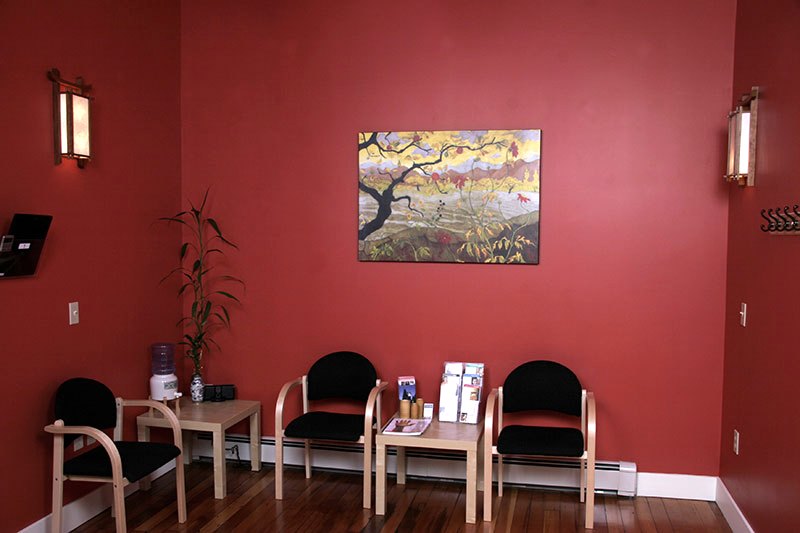
A clinic that feels like a deep breath
Warm rooms, heated treatment tables and a relaxed, good-humored front desk. Patients often mention Marie by name. Bring headphones if you like music while you rest.
We're open Monday to Wednesday 9–5 and Thursday 9–3.
When your jaw clicks, aches or won't open all the way
Your temporomandibular joints connect your jaw to your skull just in front of each ear. When they're not working well, eating, talking and even yawning can hurt. Many people notice clicking or popping, wake up sore from clenching or grinding at night, or get headaches from tight jaw muscles.
TMJ pain can also show up as ear pain, so some people think they have an ear infection. A mouth guard may protect your teeth without stopping the clenching. That's when many people come to us.
How Chinese medicine sees it
TMJ trouble can come from grinding and clenching, misalignment, worn cartilage, arthritis or an old injury. Because the causes vary, a careful assessment of what's going on in your jaw comes first.
Chinese medicine looks at the local tension and at what drives it, often stress that the body holds in the jaw. Acupuncture aims to increase circulation to the jaw and calm inflammation, and it tends to leave people feeling more relaxed overall.
How we treat it
Acupuncture around the jaw and face, plus points on the hands and feet for tension and stress.
Gua sha or gentle cupping for tight neck and shoulder muscles.
Heat to relax the chewing muscles.
Custom herbal formulas prescribed by Scott Paglia, L.Ac., when stress, sleep or inflammation are part of the picture.
Simple self-massage and acupressure you can use at home.
What to expect
A relaxed consultation and a full health history. We'll ask about your jaw pain, clicking, clenching or grinding, and any headaches or ear pain, and about your sleep, digestion, energy and stress too.
A traditional Chinese medicine exam, including your pulse and your tongue.
A clear explanation of what we found and how Chinese medicine understands it.
A treatment plan made for you, with time for all your questions.
We'll recommend a plan after your first appointment, and adjust it as we see how you respond.
Acupuncture complements whatever care you choose with your dentist or physician, including a night guard.
Common questions
Can I keep wearing my night guard?
Yes. A guard protects your teeth, and acupuncture can work alongside it by addressing muscle tension and stress.
Does it hurt to have needles near the jaw?
The needles are about the width of a hair. Most people feel far less from them than from their everyday jaw discomfort.
Acupuncture and herbal medicine are the heart of what we do. Hands-on therapies, heat and nutrition round out your plan. Here's everything we offer and how a treatment plan works.
Fine, sterile, single-use needles placed at precise points to relieve pain, calm the nervous system and restore balance. Scott and Ryan draw on several styles and choose what suits you:
Traditional Chinese acupuncture
TAN Balance Method
Five Element acupuncture
Japanese acupuncture
Trigger point acupuncture
Acupuncture physical medicine
Structural acupuncture
Auricular (ear) acupuncture
Chinese herbal medicine
Custom multi-ingredient formulas matched to your Chinese medical pattern and diagnosis, as pills, powders, teas, tinctures or topicals. More about our herbal medicine →
Hands-on and non-needle therapies
Prefer to avoid needles, or want more support between visits? These therapies are used on their own or alongside acupuncture.
Cupping
Glass cups create gentle suction that lifts and loosens tight muscle and fascia, improves local circulation and eases tension. It's used in Chinese medicine for more than 2,500 years.
Gua sha
A smooth-edged tool is stroked along the skin to release tight, sore areas and move stagnant circulation.
Moxibustion & heat
Gentle warmth from moxa (dried mugwort) or heat lamps warms points and joints, which is especially welcome for cold, achy or damp-feeling pain. Every treatment table is heated.
Electroacupuncture
A mild electrical pulse through the needles to strengthen the treatment, often used for pain and nerve-related problems.
Acupressure
Acupuncture points stimulated with finger pressure instead of needles. It's gentle and non-invasive, ideal for children, older adults and anyone nervous about needles. We can also teach you points to use at home.
Ear seeds (auricular therapy)
Tiny seeds taped to points on the ear. They don't pierce the skin, stay on for up to a week, and you press them several times a day. Often used for cravings, quitting smoking and weight goals.
Chinese nutrition
Chinese food therapy looks at the energetic qualities of foods, so advice is tailored to your body type, the season and even where you live. Healing can start with your next meal.
Treatment plans
How a treatment plan works
There's no one-size-fits-all package. Your plan is set after your first visit and reassessed every session.
1
Initial exam
About 45 minutes: health history, pulse and tongue exam, and your findings explained.
2
First treatment
About 1½ hours, including your first treatment and any herbal prescription.
3
Active care
One to four visits a week depending on severity. Long-standing or very acute problems usually need more visits.
4
Maintenance
Once you're symptom-free, visits space out. Follow-ups usually last about an hour.
Costs depend on your plan and insurance. Our front desk will go over them with you when they call to book.
Your first step is a conversation.
Book your first appointment and we'll listen to the whole story, then build a plan around you.